- Cyber Security
The Guide to Physical Security for IT Infrastructure
21 Dec, 2025
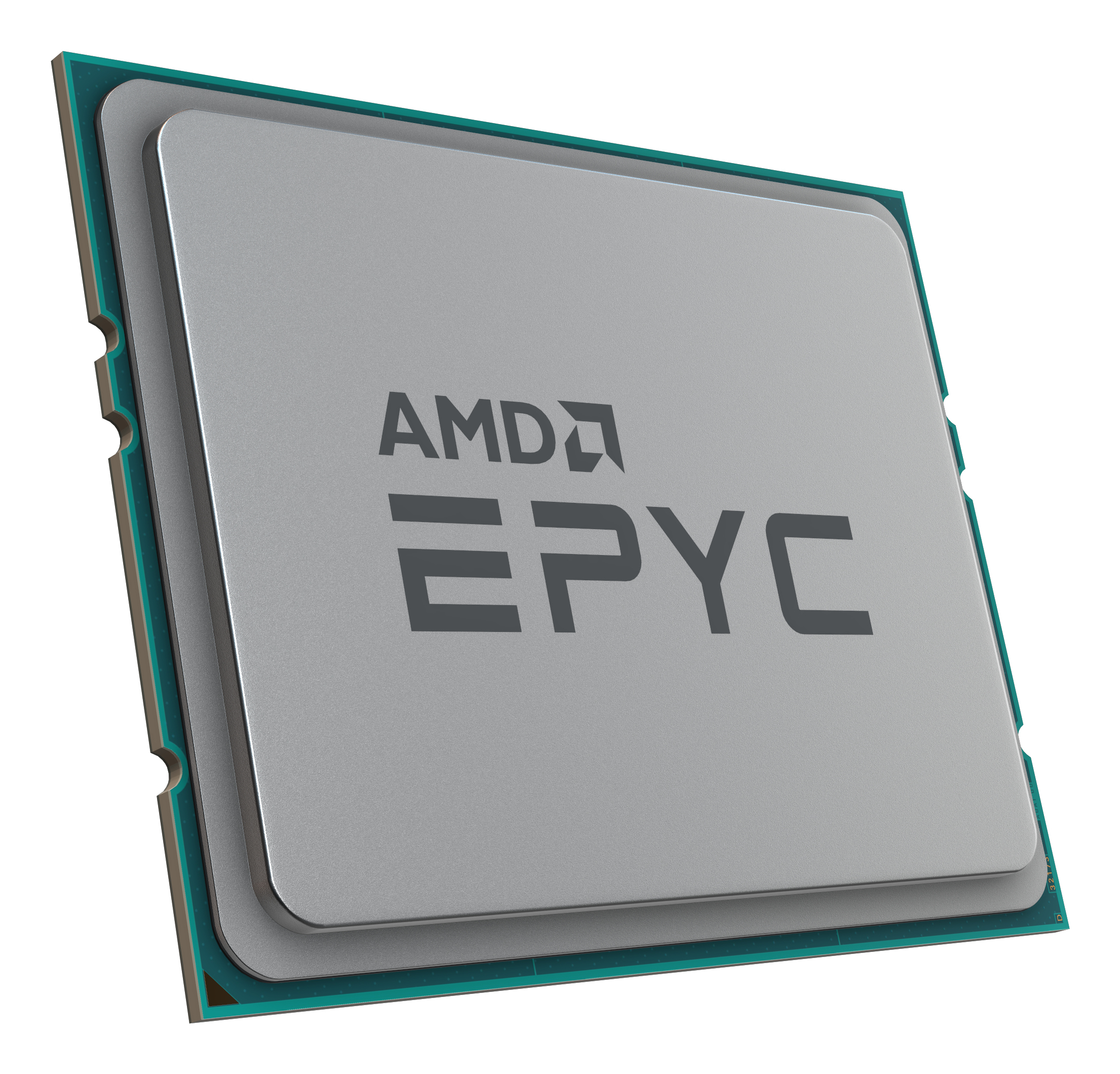
£2610.19 inc. VAT
AI-generated summary
At £2,175 ex-VAT for a Lenovo EPYC 7302 (3GHz) you’re paying for a very specific kind of server workload: multi-core CPU capacity in a virtualised environment, typically inside an existing Lenovo EPYC-based platform. If you’ve already got the matching server hardware and you need to grow compute for workloads like VMware/Hyper-V clusters, light-to-moderate databases, VDI farms, or general “lots of small things happening at once” business apps, this can be good value—because EPYC tends to offer strong performance per pound when you’re using it the way it’s meant to be used.
That said, I’d be cautious. If this is for a single-threaded application, storage-heavy workloads, or anything that doesn’t benefit from parallelism, you won’t feel that money delivering. Also, buying an older-generation EPYC part “just because” can be a trap if the same budget could buy a newer platform/CPU mix with better efficiency and headroom. In short: buy it only if it fits your current Lenovo EPYC server and you’re confident your workloads scale across cores; otherwise, I’d look at newer CPUs or avoid forcing the upgrade. If you tell me the server model and what you’re running, I can sanity-check whether this is the right kind of spend.

Lenovo
Intel Xeon Silver 4210R - 2.4 GHz - 10-core - 20 threads - 13.75 MB cache - for ThinkSystem ST550 7X09, 7X10

Lenovo
Intel Xeon Silver 4208 - 2.1 GHz - 8-core - 16 threads - 11 MB cache - for ThinkSystem SR530, SR570, SR630

Lenovo
Intel Xeon Gold 5418Y - 2 GHz - 24-core - 48 threads - 45 MB cache - for ThinkSystem SR650 V3

Lenovo
Intel Xeon Gold 5120 - 2.2 GHz - 14-core - 19.25 MB cache - for ThinkSystem SN550
Powered by industry-leading technologies including SolarWinds, Cloudflare, BitDefender, AWS, Microsoft Azure, and Cisco Meraki to deliver secure, scalable, and reliable IT solutions.


