- Cloud Networking
How to Calculate the Total Cost of Ownership for Meraki
28 Mar, 2026
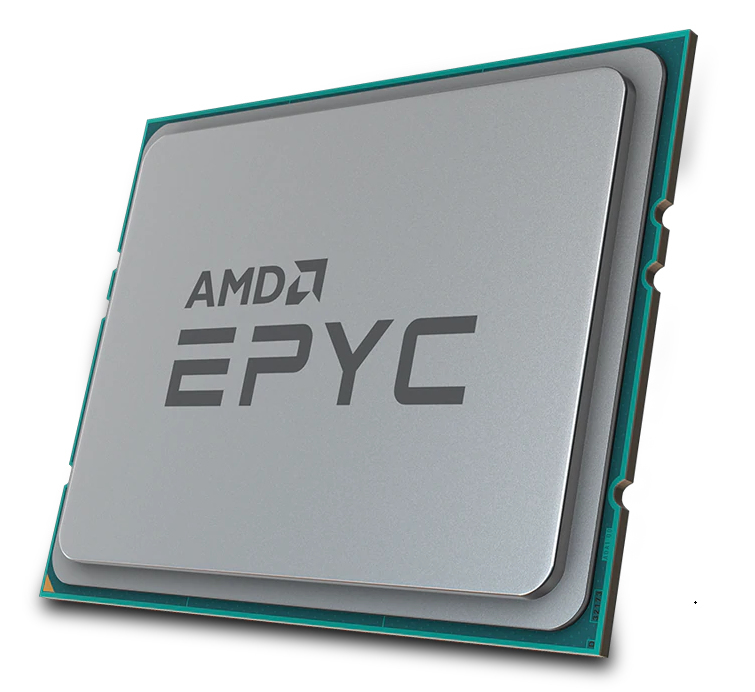
£1835.63 inc. VAT
AI-generated summary
This is an older-generation EPYC part, and at **£1,529 ex-VAT** it’s hard to justify purely on “horsepower per pound” for most UK businesses. If you’re building something new, you’ll usually do better chasing a newer EPYC/Rome/Milan-era replacement that gives you more cores/efficiency for similar money—or at least keeps your platform costs down over time. That said, there *are* sensible scenarios: if you already own a Lenovo EPYC-based server platform that supports this exact CPU and you’re upgrading to boost compute for existing workloads (virtualisation consolidation, basic SQL/app servers, container hosts), the tray unit can be a cost-effective “fit the socket, keep the rest” move—no need to re-architect the system.
I’d recommend it mainly for **tight-fit upgrades** where compatibility is guaranteed and downtime is expensive. I’d avoid it for **greenfield projects**, or for customers who expect energy efficiency and long service life to matter a lot—because at this price, the opportunity cost of not buying a more current generation is real. If you tell me what server model you’re using (and the workload type), I can give you a sharper view on whether this is a smart upgrade or just paying for nostalgia.
Lenovo
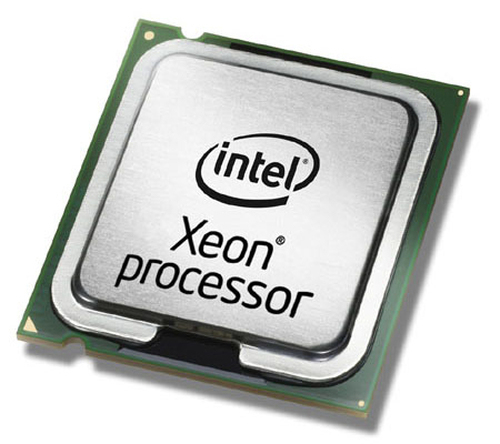
Intel Xeon Gold 5222 - 3.8 GHz - 4 cores - 8 threads - 16.5 MB cache - for ThinkAgile VX Certified Node 7Y94, ThinkSystem SR550, SR590, SR650

Lenovo
Intel Xeon Gold 5415+ - 2.9 GHz - 8-core - 16 threads - 22.5 MB cache - for ThinkSystem SR630 V3 7D72, 7D73

Lenovo
Intel Xeon Silver 4214 - 2.2 GHz - 12-core - 24 threads - 16.5 MB cache - for ThinkSystem SN550 7X16
Lenovo
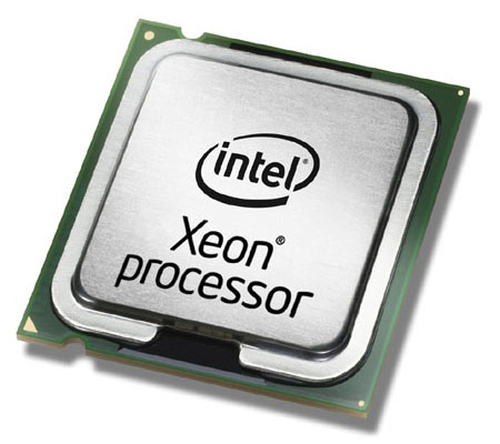
Intel Xeon Gold 6226R - 2.9 GHz - 16-core - 32 threads - 22 MB cache - for ThinkSystem SR570 7Y02, 7Y03, 7Y04, SR630 7X01, 7X02
Powered by industry-leading technologies including SolarWinds, Cloudflare, BitDefender, AWS, Microsoft Azure, and Cisco Meraki to deliver secure, scalable, and reliable IT solutions.


