- Google Ads & PPC
Google Ads for Recruitment: Attracting Top Talent
18 Mar, 2026
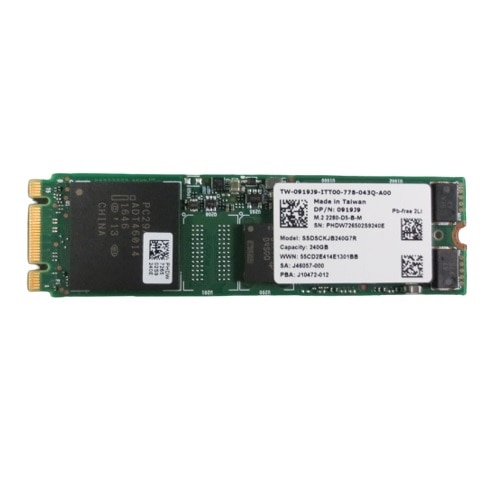
£665.21 inc. VAT
AI-generated summary
At ~£554 ex-VAT for a 240GB M.2 internal SSD, this is hard to justify in 2026 unless you’re locked into Dell parts for a very specific server/workstation build. In day-to-day B2B use, you’re paying a big premium for capacity that’s pretty modest—fine for a boot drive or a small VM datastore, but not great value if you’re trying to stretch storage for the money. If you’re upgrading a Dell system where compatibility matters (Dell support/field replacement parts, or you’ve got a managed fleet with tight tooling), it can make sense. Otherwise, you’ll usually do much better with a higher-capacity NVMe option at a lower cost per usable gig.
I’d recommend this mainly to: teams standardising on Dell hardware, refurb/maintenance environments where the part must match exactly, or someone needing a small, reliable SSD specifically for OS/app boot with minimal risk. I wouldn’t buy it if you’re doing general refreshes or planning for growth—this price-to-capacity ratio leaves a lot of “why not just get more storage for the same budget?” on the table. If you tell me the exact Dell model it’s going into and what you’re running (boot only vs VMs vs data), I can give a clearer go/no-go.
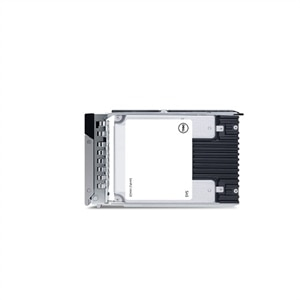
Dell
Dell - SSD - Read Intensive - 3.84 TB - hot-swap - 2.5" - SATA 6Gb/s - for PowerEdge C6420 (2.5")

Lenovo
Lenovo ThinkSystem 5300 Entry - SSD - 1.92 TB - internal - M.2 - SATA 6Gb/s - for ThinkSystem SE350 7D1R, 7D1X, 7Z46
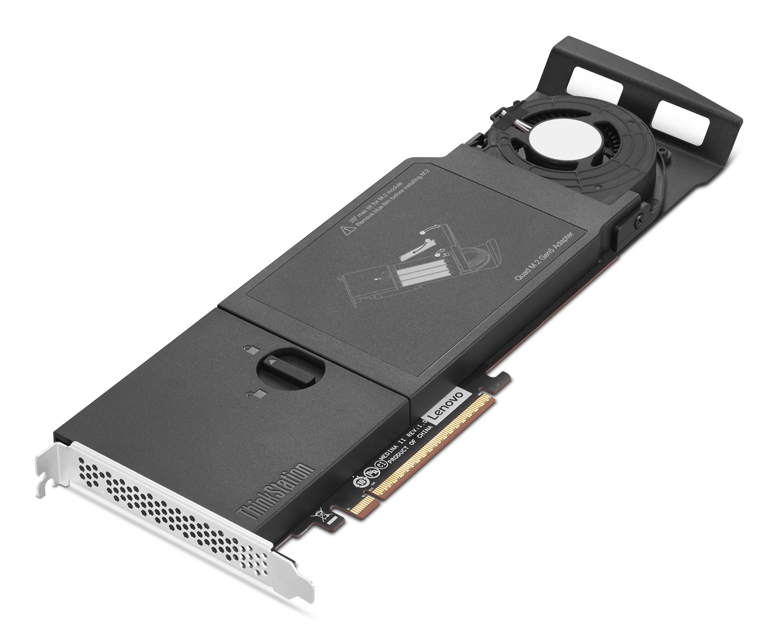
Lenovo
Lenovo - Interface adapter - M.2 - M.2 Card - PCIe 5.0 x16 - for ThinkStation P8 30HF, 30HH, 30HJ

Lenovo
Samsung PM9A3 - SSD - Read Intensive - encrypted - 960 GB - internal - M.2 22110 - PCIe 4.0 x4 (NVMe) - TCG Opal Encryption, Self-Encrypting Drive (SED)