- AI
AI Content Creation Tools
20 Mar, 2026
£30.47 inc. VAT
AI-generated summary
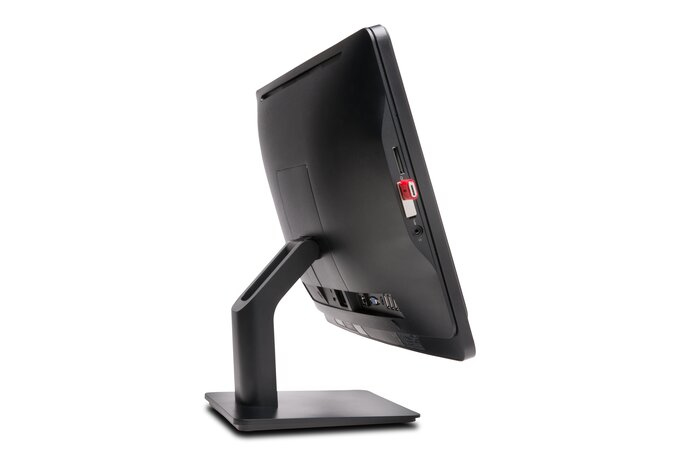
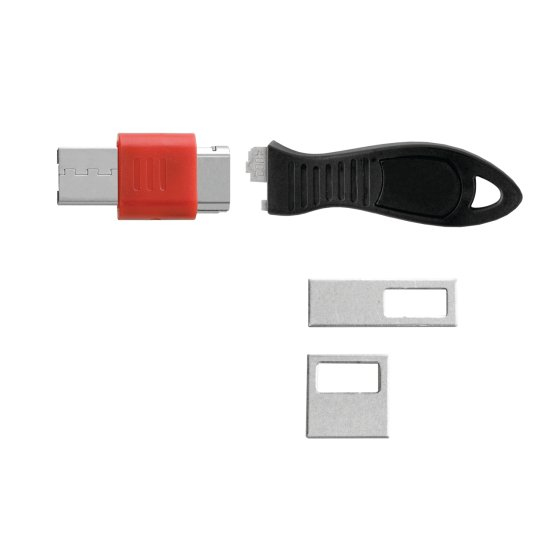
The Kensington USB Port Lock with Blockers is one of those “small spend, big headache avoided” items. If you’re reselling or managing fleets of laptops/desktops in a shared-office, client-site, or training environment, it’s a straightforward way to stop casual USB misuse without having to roll out heavier endpoint controls. The value is in the simplicity: you can deploy quickly, it’s easy to understand for non-IT staff, and it buys you time while you tighten your bigger security model.
That said, I wouldn’t buy it for every scenario. If your environment is anything but tightly controlled—think specialist engineers who regularly need peripherals, frequent demos, or lots of legitimate USB activity—these locks will create friction fast and become “IT’s problem” when people can’t plug in what they need. Also, if your risk is serious (targeted exfiltration, malicious actors), a physical USB blocker alone isn’t enough; it’s more of a deterrent layer than a complete solution.
**Who it suits:** organisations that want quick, practical port control for standard users and predictable workflows. **Who should skip it:** teams with high legitimate USB dependency or who need a comprehensive security response rather than a simple physical barrier.
Kensington
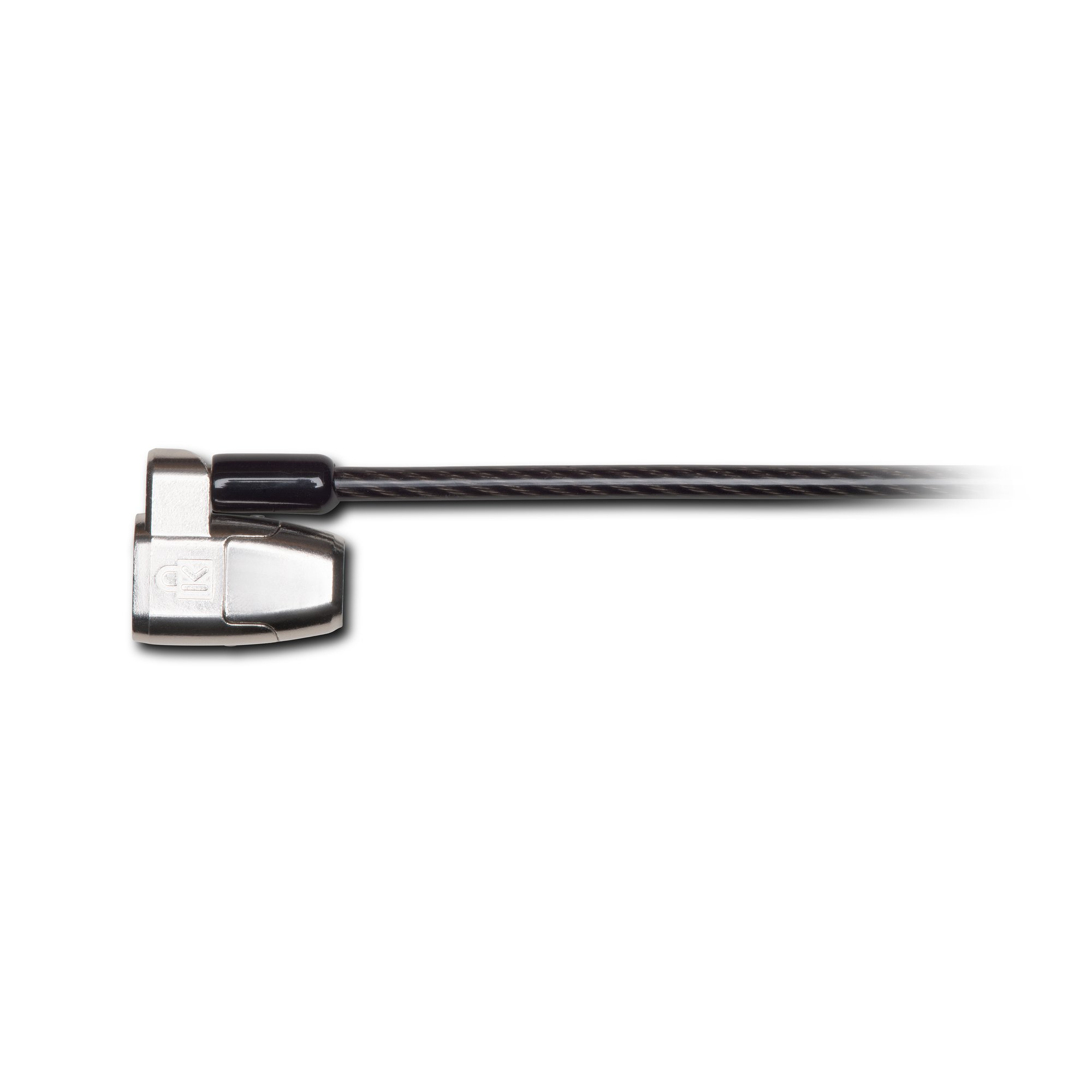
Kensington ClickSafe 2.0 Keyed Laptop Lock - Like Keyed - Security cable lock - 1.8 m
Kensington
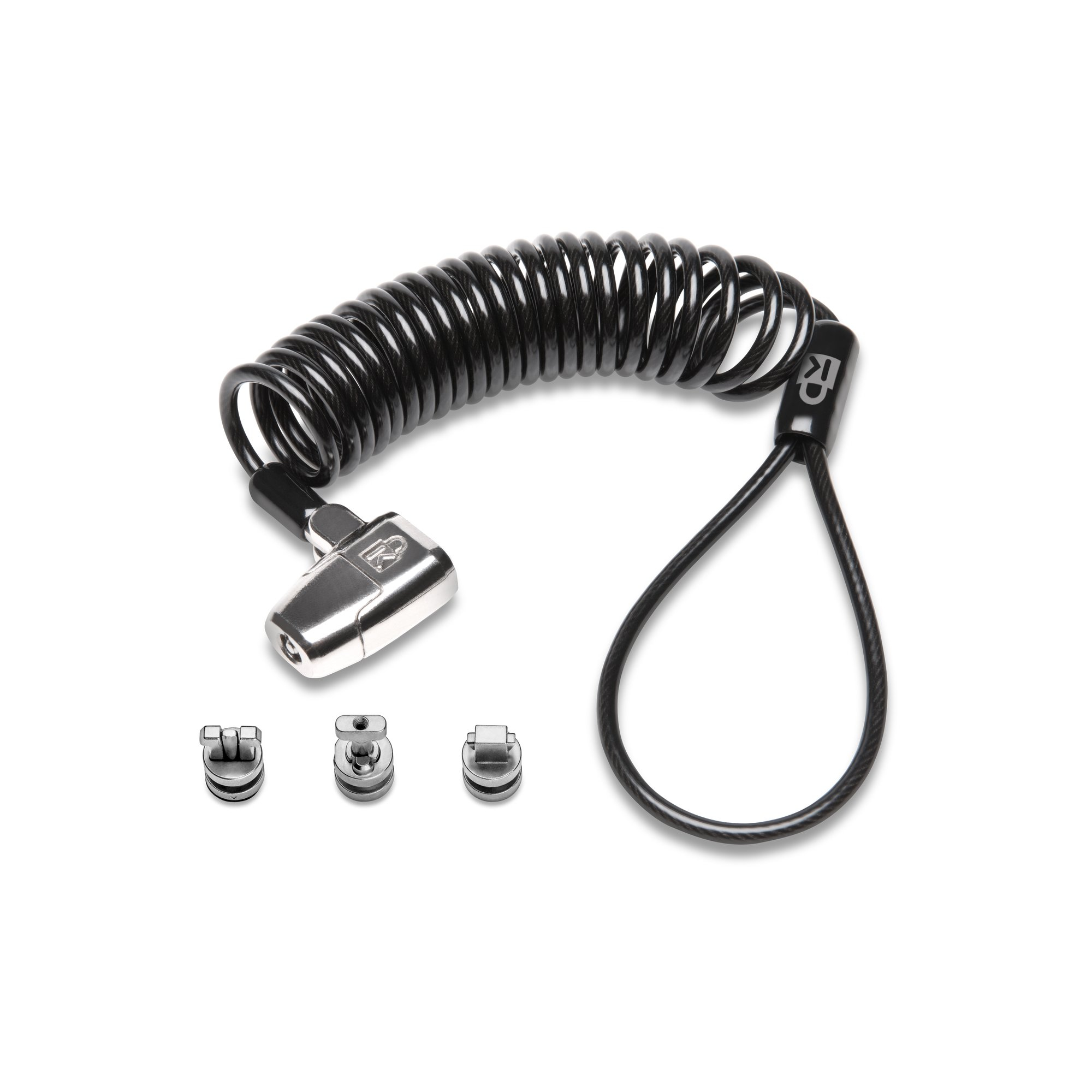
Kensington ClickSafe 2.0 - Security cable lock - universal keyed - 1.83 m
Kensington
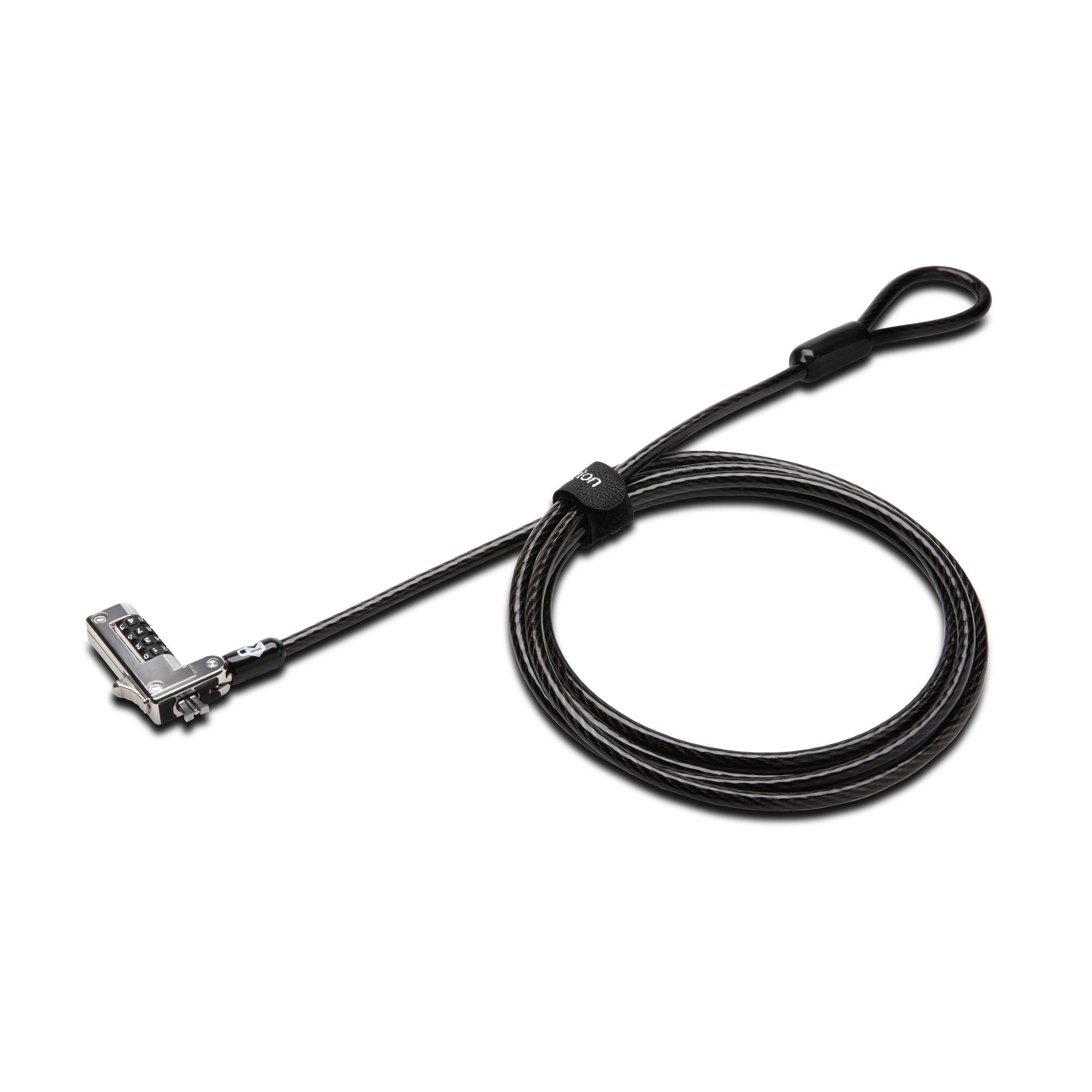
Kensington Slim NanoSaver Combination Laptop Lock - Security cable lock - 1.8 m
Kensington
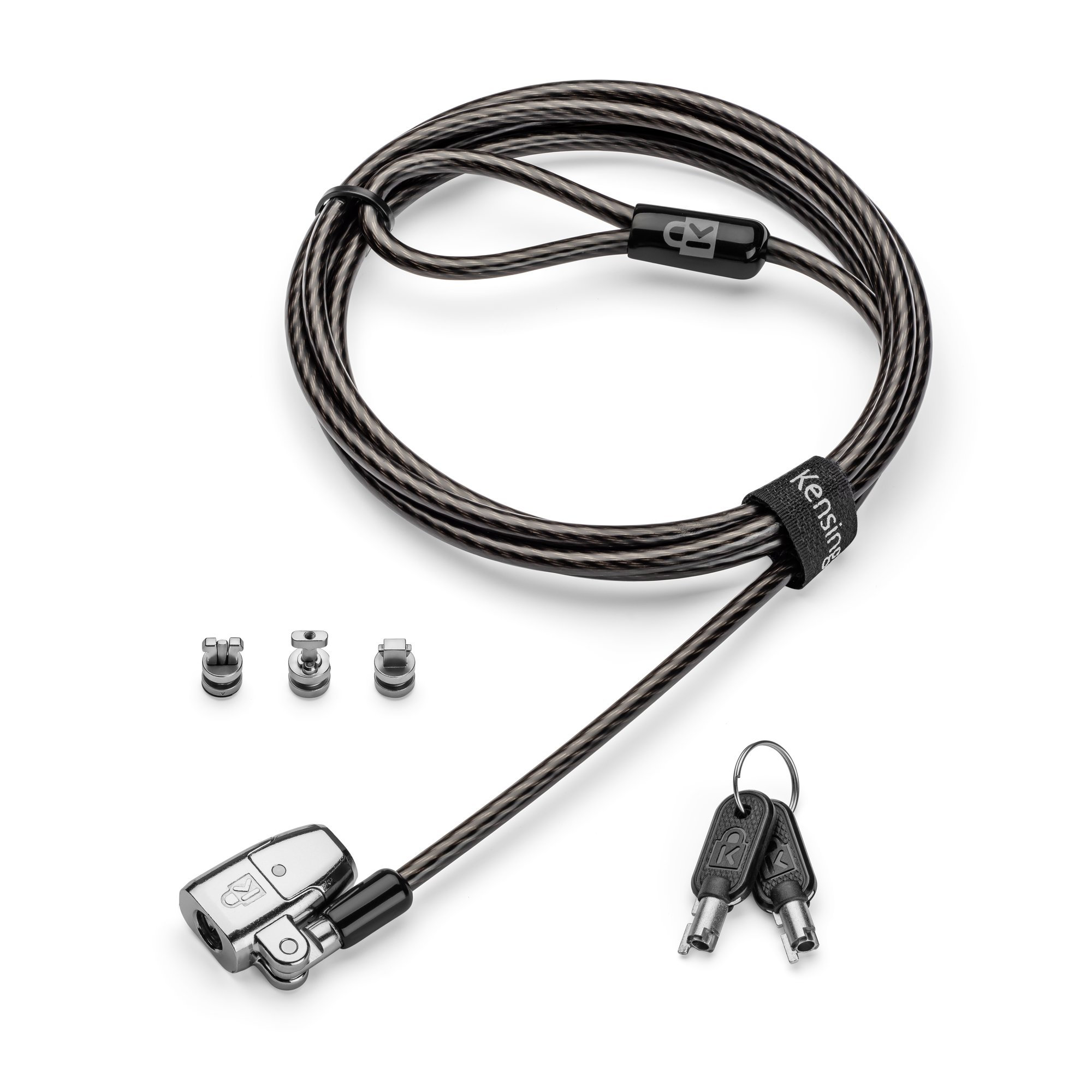
Kensington ClickSafe 2.0 Universal Keyed Laptop Lock - Security cable lock - liked keyed - 1.8 m