- Cloud Email
The Guide to Email Security for Small Businesses
11 Mar, 2026
£524.57 inc. VAT
AI-generated summary
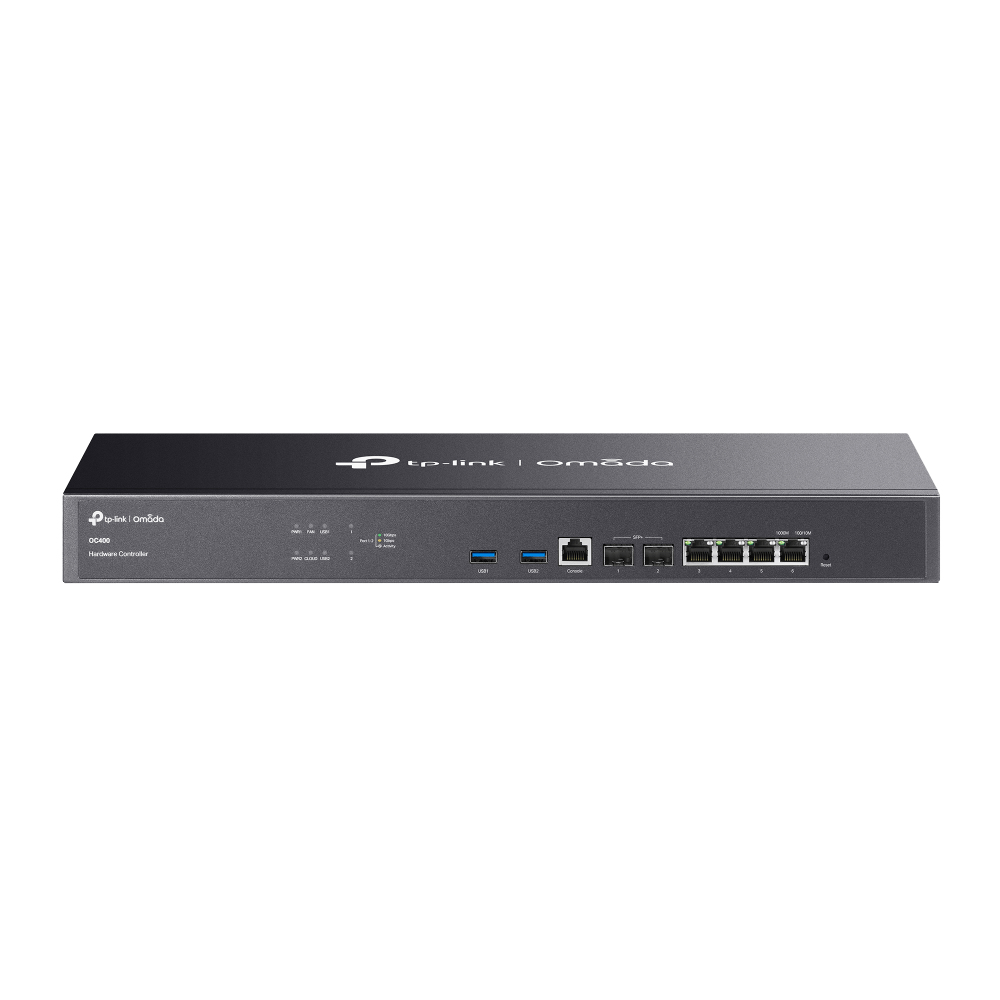
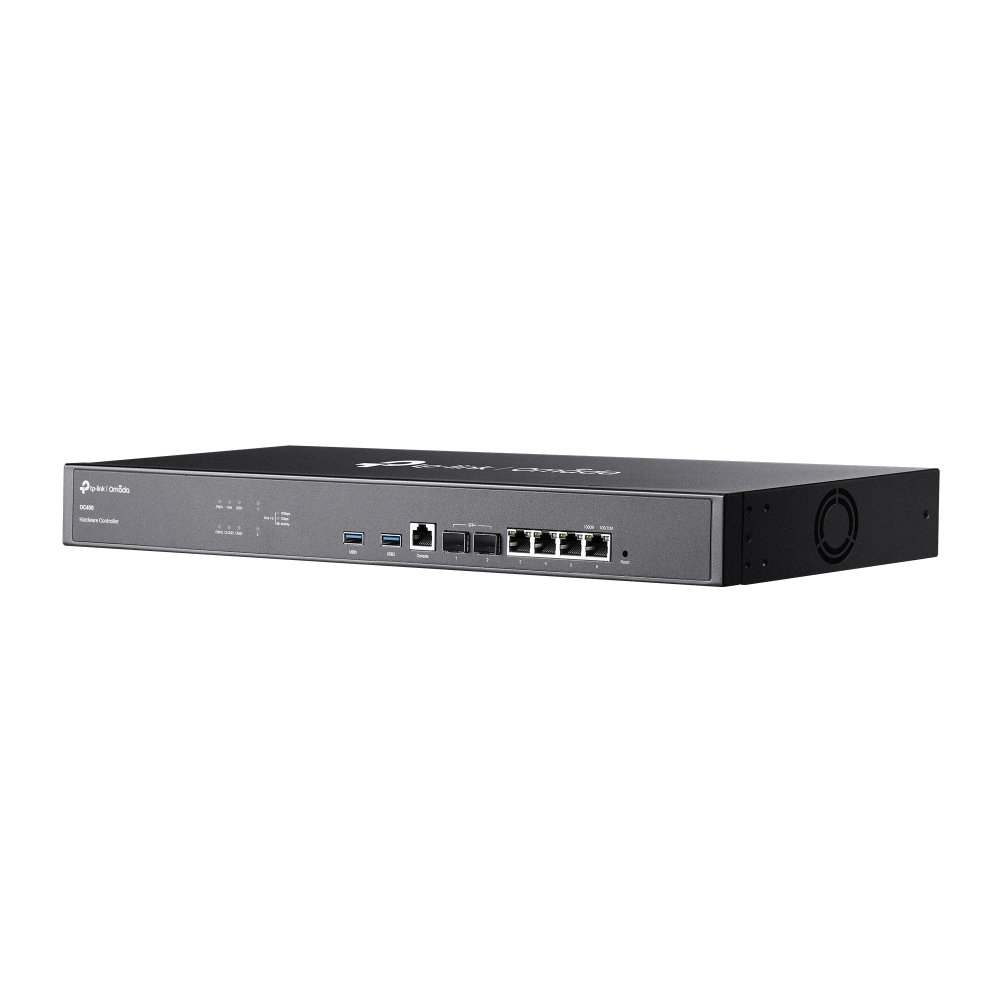
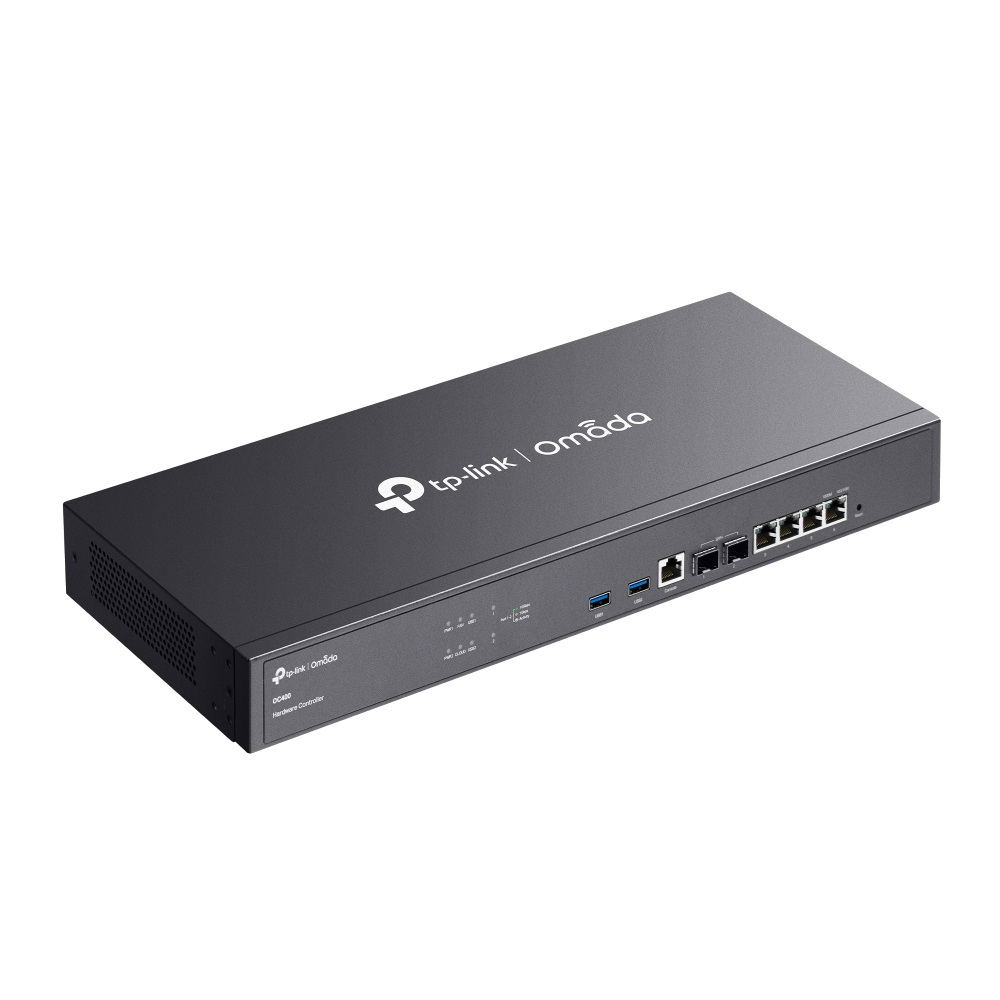
The TP-Link Omada Hardware Controller is one of those “small” purchases that actually makes life easier once you have more than a couple of APs to manage. If you’re running a real site rollout (multiple floors, multiple buildings, a few VLANs, maybe guest/employee separation), it’s worth it because it centralises provisioning and policy control properly—no faffing around with adoption workflows every time something changes. At £437.14 ex-VAT, I’d only consider it if you’re going to use Omada at scale; otherwise you’ll feel like you paid for convenience you didn’t fully need.
Who should buy: MSPs and IT teams managing several Omada sites, or any business standardising on one Wi‑Fi platform and expecting ongoing changes (new SSIDs, changes to segmentation, scheduled radio settings, troubleshooting). Who should *not* buy: a single-office setup with just one or two APs, or anyone who’s not ready to commit to the Omada ecosystem—because the controller’s value is in repeatable management, not in raw Wi‑Fi performance. If you already plan a multi-AP design and you want clean, consistent administration, this is solid value; if not, consider whether you’d be better off with a simpler management approach first.
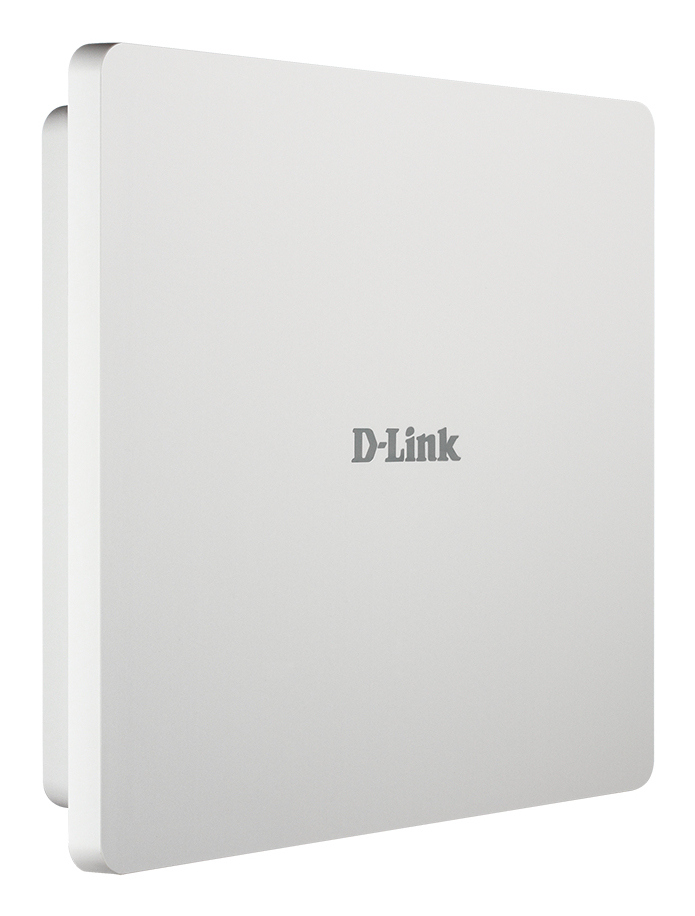
D-Link
D-Link DAP-3666 - Radio access point - 2 ports - 1GbE - Wi-Fi 5 - 2.4 GHz, 5 GHz
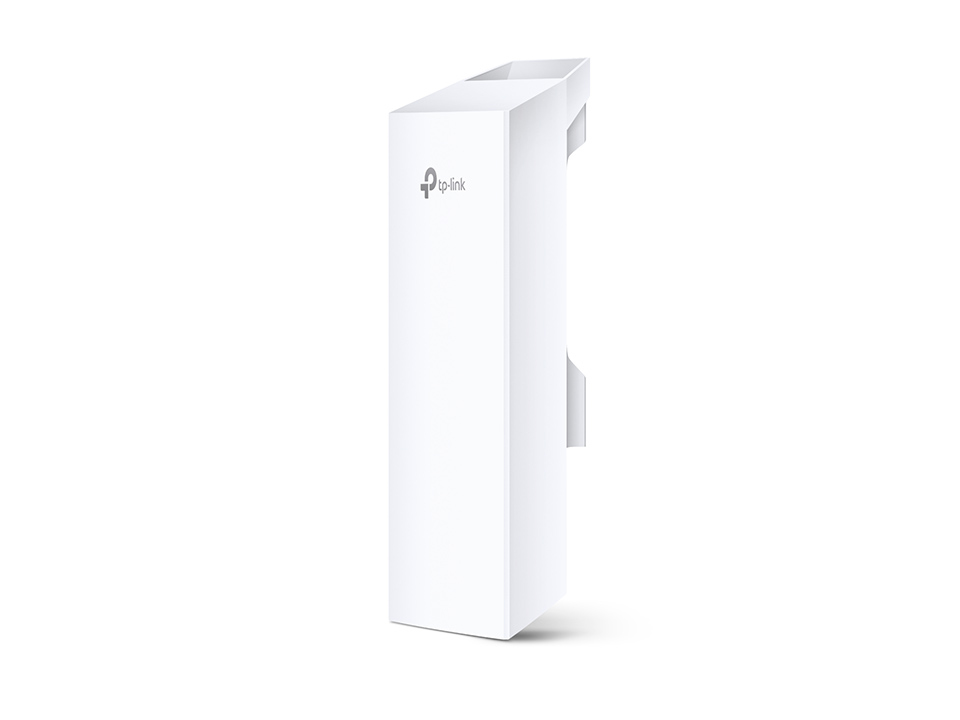
TP-Link
TP-link 2.4GHz 300Mbps 9dBi Outdoor CPE with built-in MIMO antenna - CPE210
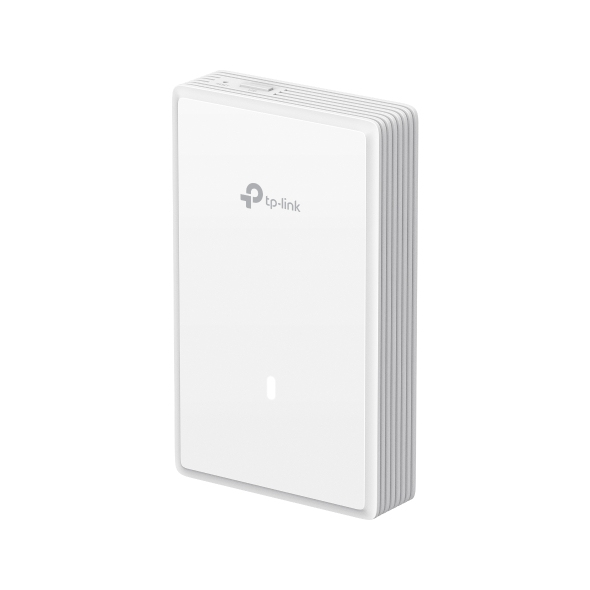
TP-Link
TP-Link Omada EAP725-Wall V1 - Radio access point - 1GbE, 2.5GbE, Wi-Fi 7 - Wi-Fi 7, Bluetooth - 2.4 GHz, 5 GHz - cloud-managed - wall mountable
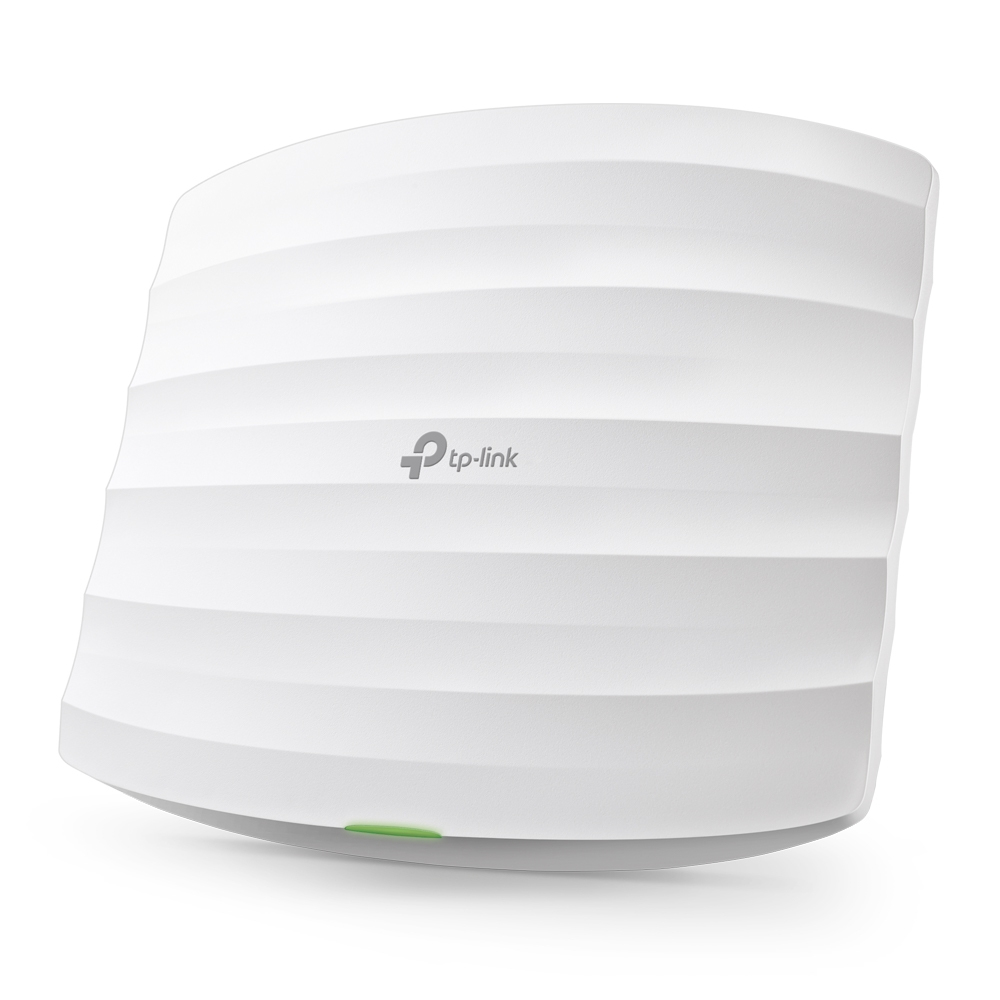
TP-Link
TP-Link Omada EAP115 - Radio access point - 1GbE - Wi-Fi - 2.4 GHz
Powered by industry-leading technologies including SolarWinds, Cloudflare, BitDefender, AWS, Microsoft Azure, and Cisco Meraki to deliver secure, scalable, and reliable IT solutions.


