- Virtual CIO
How to Choose Between Building and Buying Software
18 Jul, 2025
£140.32 inc. VAT
AI-generated summary
At £120 ex‑VAT for a 500GB WD Green SN3000, you’re basically paying for “good enough” storage rather than performance muscle. This is the kind of SSD I’d recommend for office PCs, light server workloads, VDI/dev boxes that don’t thrash, or anyone upgrading a machine that’s bottlenecked by an old SATA drive. In day-to-day use—boot times, app launches, general responsiveness—it’ll feel like a meaningful improvement, and it’ll usually be more cost-effective than chasing the fastest NVMe drives.
That said, I wouldn’t buy it if you’re doing sustained heavy writes (big builds, constant media editing, lots of VM movement) or you expect it to stay consistent under long workloads. “Green” drives typically aren’t the tier you want when endurance/steady throughput matters; you can end up paying the same money as better-behaved options elsewhere. If you need a dependable general upgrade for business desktops/laptops with a single-drive role, it’s a sensible buy. If your use is workload-heavy and performance consistency is the priority, I’d spend a bit more on a more premium NVMe line—or at least compare alternatives in the same price bracket.
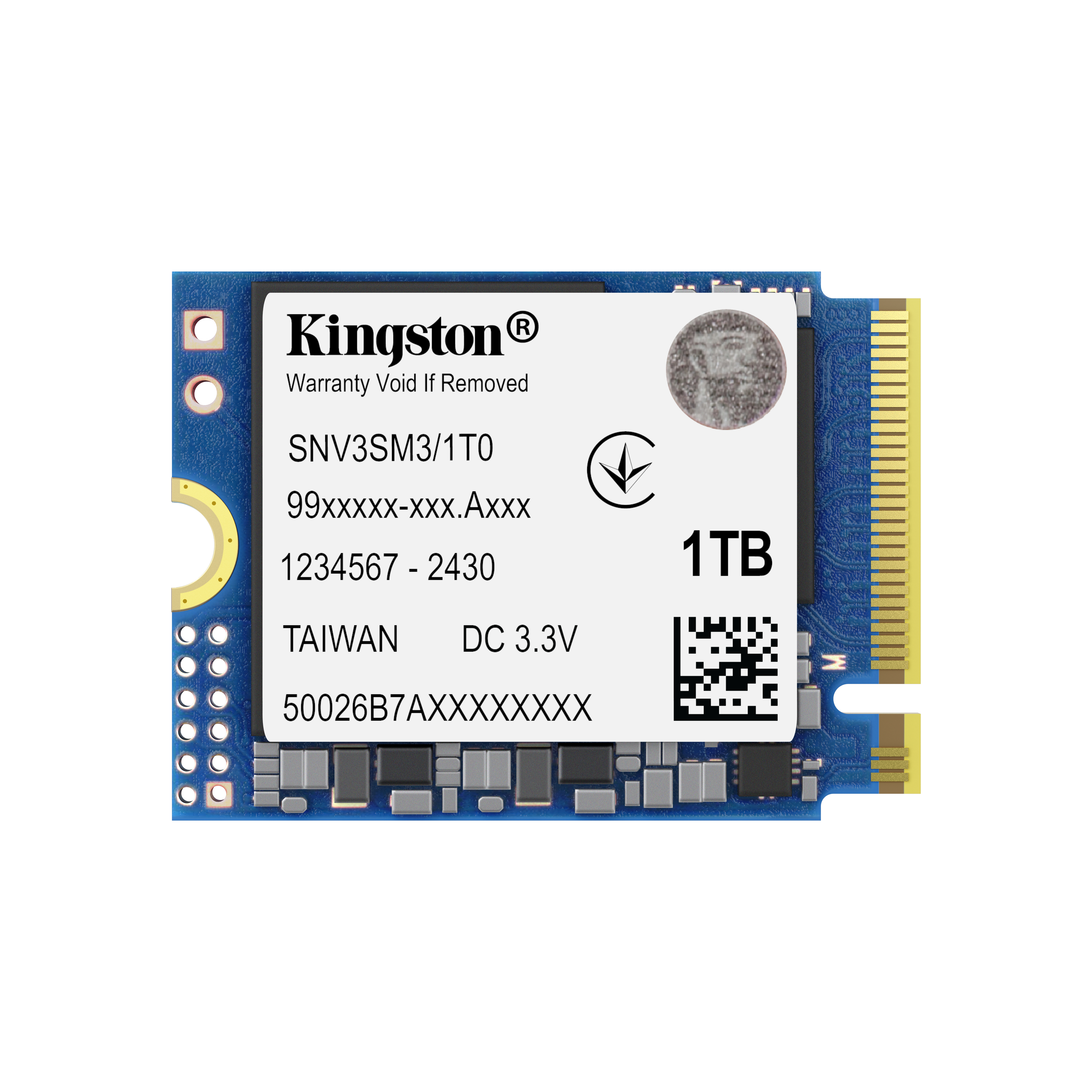
Kingston
Kingston NV3 - SSD - 1 TB - internal - M.2 2230 - PCIe 4.0 x4 (NVMe)
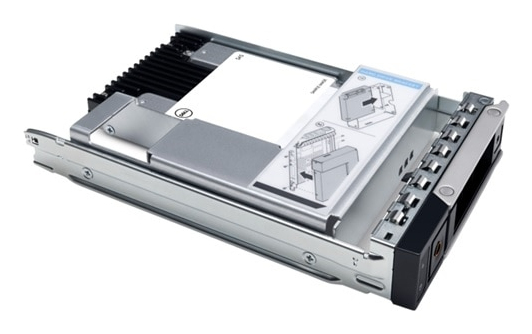
Dell
Dell - SSD - Read Intensive - 480 GB - 512e - hot-swap - 2.5" (in 3.5" carrier) - SATA 6Gb/s

Lenovo
Lenovo ThinkSystem S4520 - SSD - Read Intensive - encrypted - 480 GB - internal - 3.5" - SATA 6Gb/s - 256-bit AES - for ThinkSystem ST50 V2 7D8J (3.5"), 7D8K (3.5")
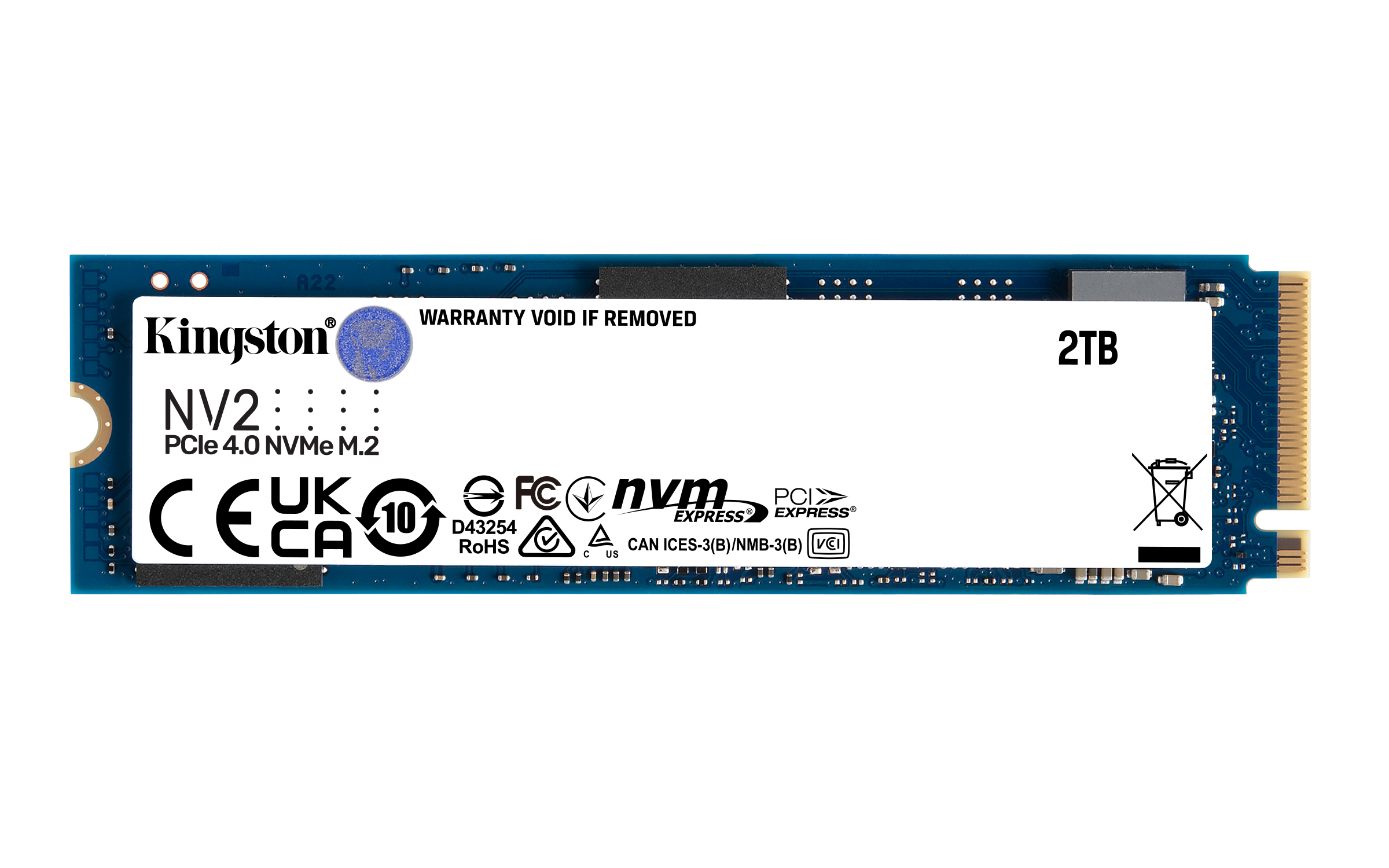
Kingston
Kingston NV2 - SSD - 2 TB - internal - M.2 2280 - PCIe 4.0 x4 (NVMe) - for Intel Next Unit of Computing 12 Pro Kit - NUC12WSKi5